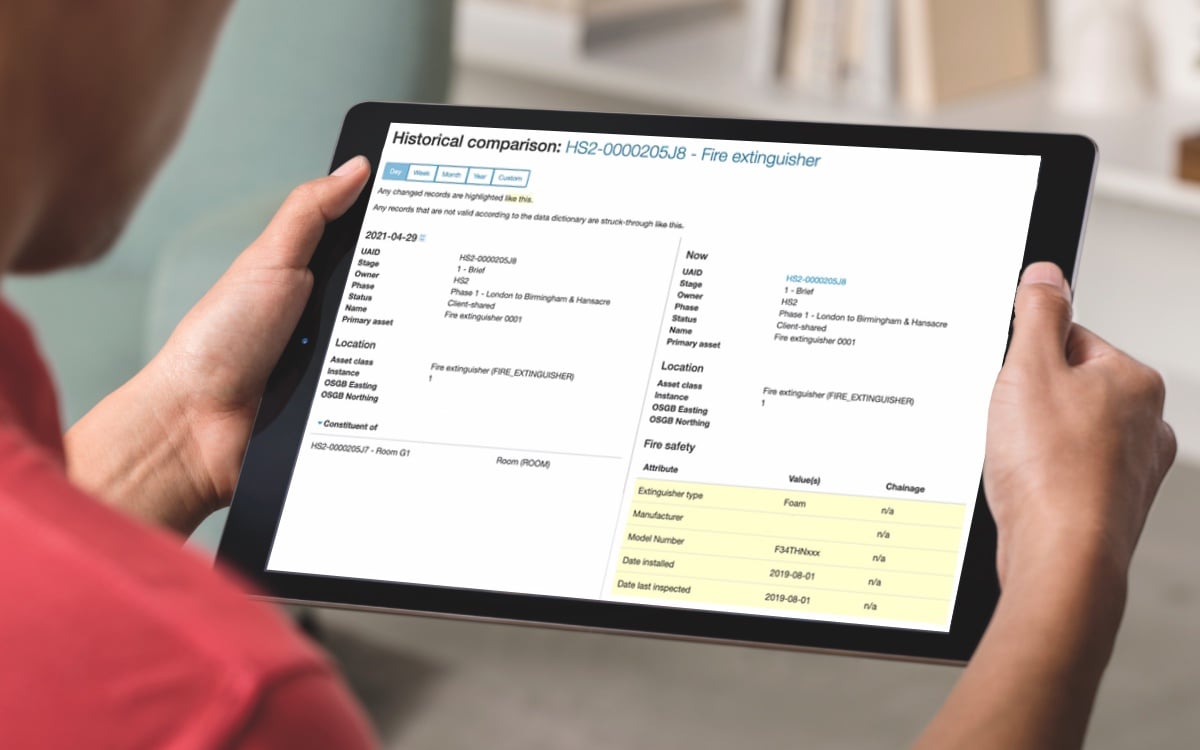

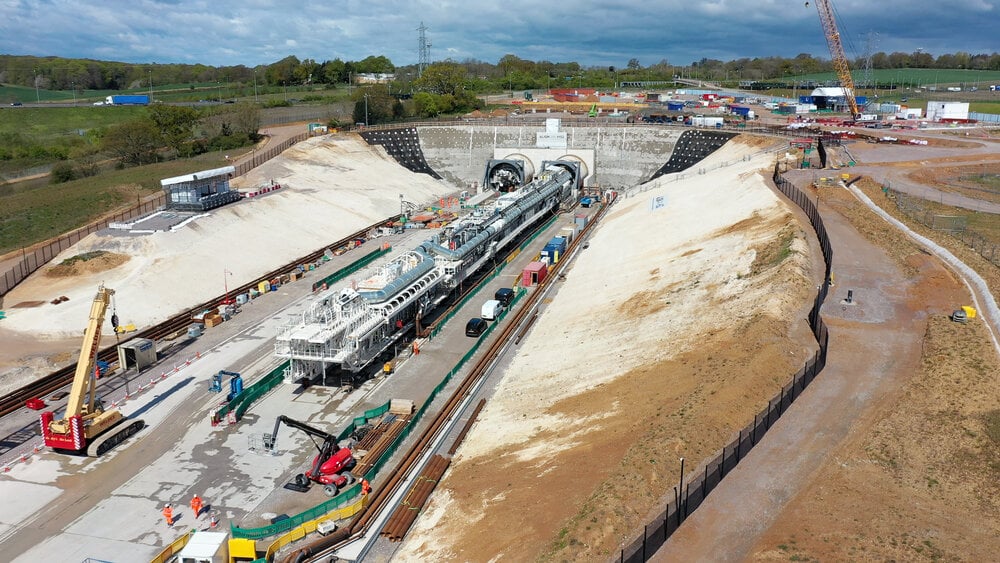
This page provides a detailed look at the development of the Asset Information Management System and the areas of focus for the future.

Asset-Centric Risk & Decision Tracking
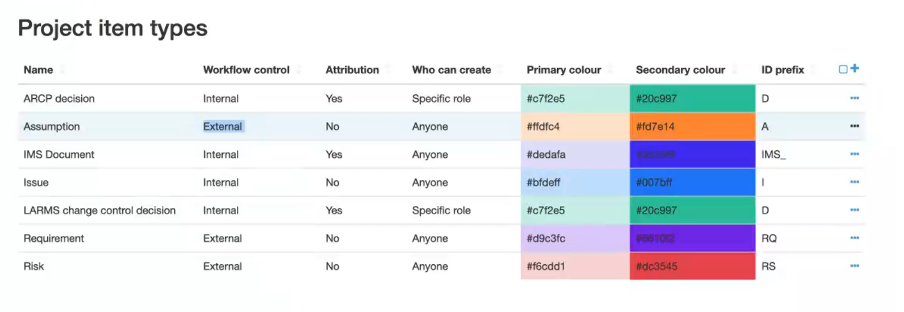
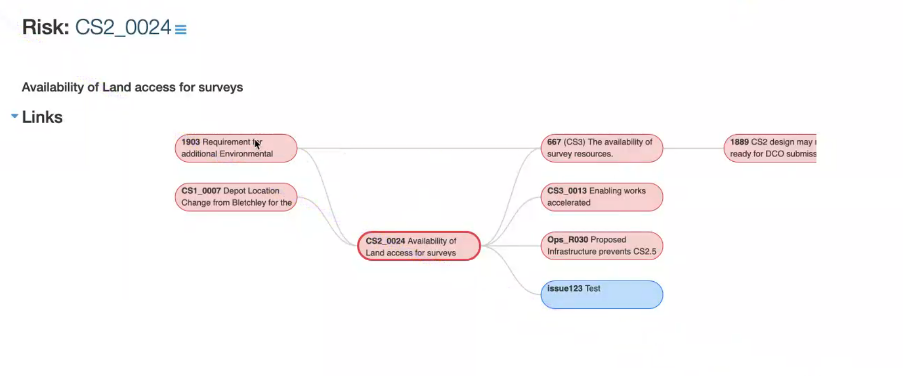
AIMS enables the capture and management of key project elements, including decisions, assumptions, requirements, risks, and issues, all directly linked to the assets they impact, as well as to each other. Each element is fully configurable, with tailored workflows designed to align with your processes.
By connecting these elements to specific assets, AIMS provides a clear, traceable view of how each factor impacts the asset. This integrated approach empowers teams to assess risk more effectively, bringing all relevant information together in a single, comprehensive view (see images below).
Just as the Asset Data Dictionary serves as the single source of truth for asset information, the Glossary provides a centralised repository for all project terms and definitions, ensuring clarity and consistency across the programme.
To further support effective communication, AIMS includes a “lines to take” capability. This enables teams to respond to challenges or queries with clear, consistent messaging, helping maintain alignment across stakeholders.
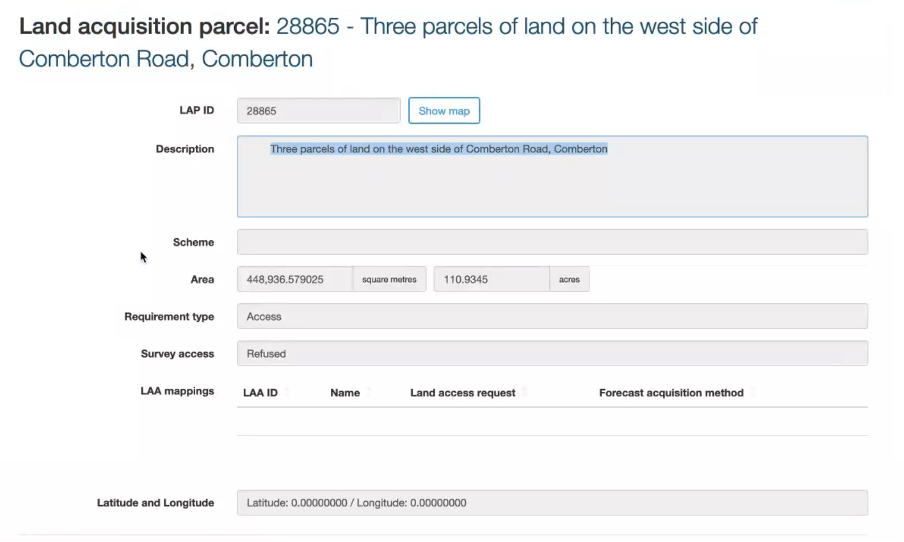
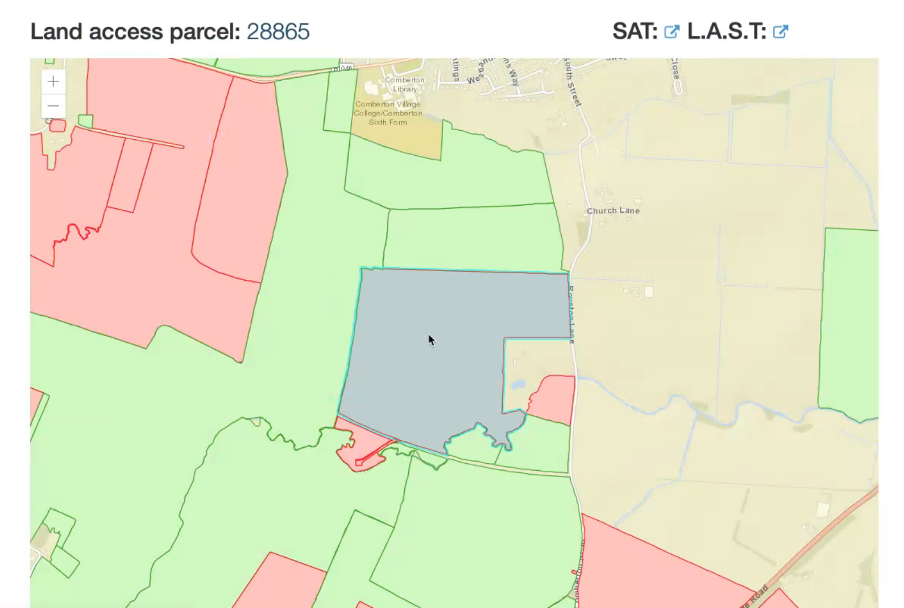
Integration with ESRI enables seamless synchronisation of geospatial and asset data, bringing powerful mapping capabilities directly into AIMS.
This allows asset information to be visualised geographically, unlocking advanced spatial analysis such as calculating areas, boundaries, and relationships. Users can access and interact with GIS data directly within AIMS, creating a more intuitive and connected view of assets in their real-world context (see images below).
To support a true Common Data Environment, AIMS integrates seamlessly with other key systems that hold critical project data, ensuring a single, trusted source of truth.
Integrations with platforms such as ARM, SAP, Salesforce, and Aconex enable efficient data exchange across the ecosystem. Depending on requirements, these integrations can be configured as read-only or fully bi-directional, typically delivered via secure XML or JSON-based web services.
Originally developed for the rail industry, AIMS has evolved into a highly versatile platform that extends far beyond its roots. Today, it is being actively explored across new sectors, including road, local government, utility and housing associations, where it supports critical use cases such as fire safety and compliance.
At the core of this flexibility is AIMS’s powerful Asset Data Dictionary, which enables fully version-controlled asset class definitions. This gives clients complete control to define, manage, and adapt asset types, attributes, and relationships - empowering administrative teams to meet a wide range of complex and changing business needs with confidence.

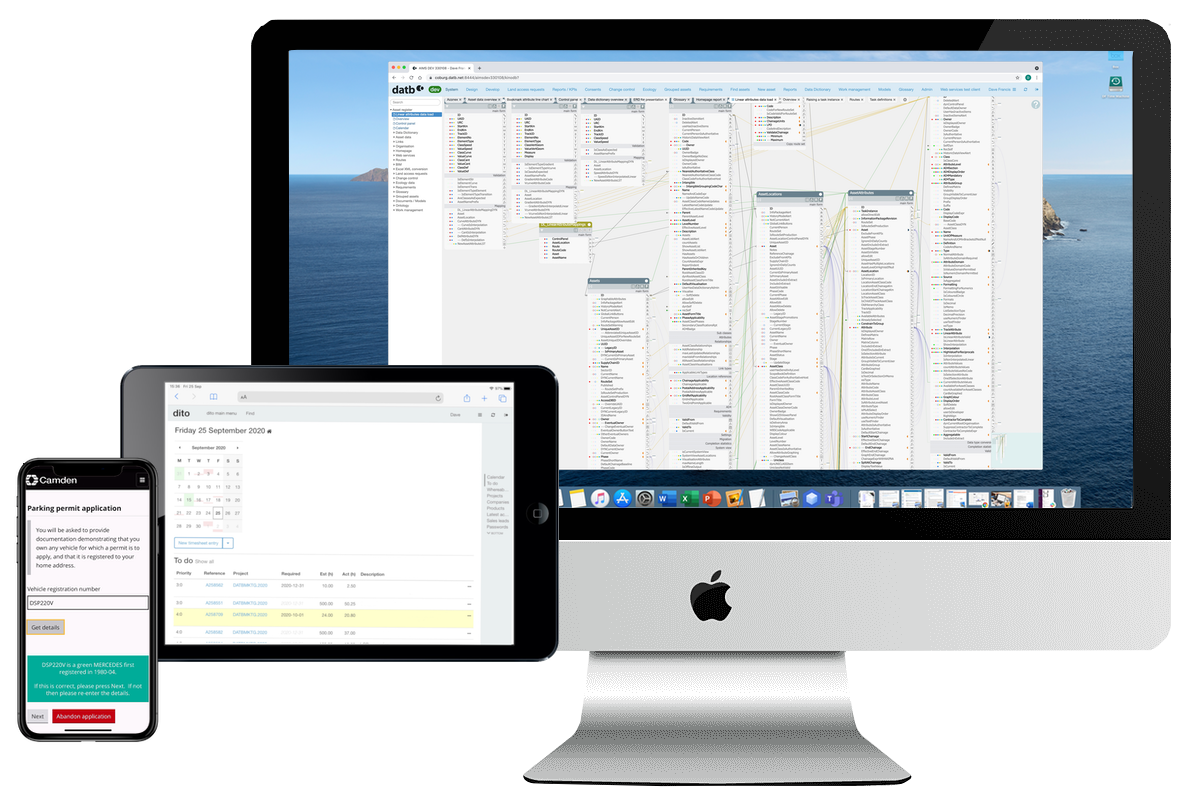
A powerful work management framework, centred on a master work order that can be deployed into multiple task instances. These tasks can be intelligently scheduled, managed, and executed - ensuring the right work happens at the right time.
Each task, or work order instance, supports a wide range of activities, including inspections, preventative maintenance, and corrective works - providing complete operational flexibility.
As work is carried out, additional data points such as asset condition can be captured seamlessly within each task, enriching your asset intelligence in real time.
Together, these capabilities transform AIMS from a traditional asset register into a fully integrated, end-to-end asset management platform, empowering organisations to plan, execute, and optimise with confidence.